
Why Cogeneration is Powering the Path to Sustainability
As industries worldwide work toward a low-carbon future, the pressure is on to find energy solutions that are both efficient and sustainable. Enter cogeneration, or Combined Heat and Power (CHP). This proven technology captures waste heat that would otherwise be lost and turns it into usable energy.
The result? Lower emissions, reduced costs, and significantly better efficiency, all from one integrated system.
Let’s look at how cogeneration is changing energy consumption, the trends driving its growth, and what it means for industry and the environment.
Why Cogeneration Matters
Cogeneration isn’t new, but it’s more relevant than ever.
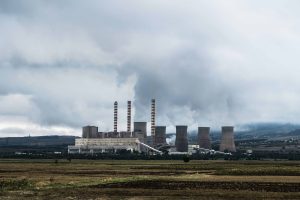
Traditional power plants generate electricity at around 50% efficiency, the rest is lost as waste heat. CHP systems capture that heat and put it to work. This dual-purpose approach can push efficiency up to 90%, which translates to less fuel burned, fewer emissions released, and lower energy costs for businesses.
For industries trying to balance energy demands with environmental responsibility, cogeneration makes sense. It’s efficient, practical, and directly supports decarbonisation goals.
3 Key Trends Shaping the Future of Cogeneration
1. The Push for Efficiency and Emissions Reduction
Governments are setting ambitious climate targets, and industries are feeling the urgency to act. Cogeneration offers an immediate solution; getting more from every unit of fuel while cutting waste. For sectors with high heat demands, it’s one of the fastest ways to move toward carbon neutrality.
2. Integration with Renewable Fuels
The next chapter for CHP involves pairing it with renewable energy sources. We’re already seeing systems run on biogas, biomass, and even green hydrogen. This combination brings together the reliability of cogeneration with the clean credentials of renewables, boosting resilience while reducing environmental impact.
3. Growing Policy Support
Strong policy frameworks are essential to unlock cogeneration’s full potential. Forward-thinking governments are offering incentives, setting clear regulations, and building CHP into national energy strategies. This support is accelerating industrial decarbonisation and strengthening energy systems overall.
What the Future Holds
Cogeneration is set to become a mainstay in modern energy systems, with applications reaching far beyond traditional industrial use:
1. Industrial Transformation: Facilities that need both electricity and heat will increasingly turn to CHP, reducing grid reliance and cutting on-site emissions.
2. Grid Flexibility: CHP can provide steady, reliable power—helping to balance grids that rely heavily on intermittent renewables like wind and solar.
3. Circular Energy Models: CHP encourages smarter energy use, keeping heat and power within the system and extracting maximum value from every bit of fuel.
Why Cogeneration is a Smart Investment
Cogeneration delivers real benefits across the board:
1. Energy Efficiency – Dramatically cuts energy waste
2. Cost Savings – Lowers energy bills for industrial and commercial users
3. Lower Emissions – Burns less fuel, produces fewer carbon emissions
4. Energy Security – On-site generation means greater reliability and resilience

Conclusion
The future of sustainable energy isn’t just about adding more renewables, it’s about using energy smarter, which includes maximising the use of waste heat. Cogeneration offers a scalable, proven way to meet rising energy demands while cutting emissions and improving overall system efficiency.
As technology advances and policy support grows, cogeneration is becoming a cornerstone of the low-carbon energy landscape, helping industries transition to a cleaner, more resilient future.
At IAC Acoustics Australia, we deliver engineered noise control solutions across the power, mining, industrial, and data centre sectors. As energy systems evolve, we’re here to support your transition with expertise that balances performance and sustainability.
Get in touch to learn how we can help your business optimise energy use and meet your environmental goals.